024_Computing Hut-Radical Normal I
Northwest China
AI-Based Research-Oriented Design
2025
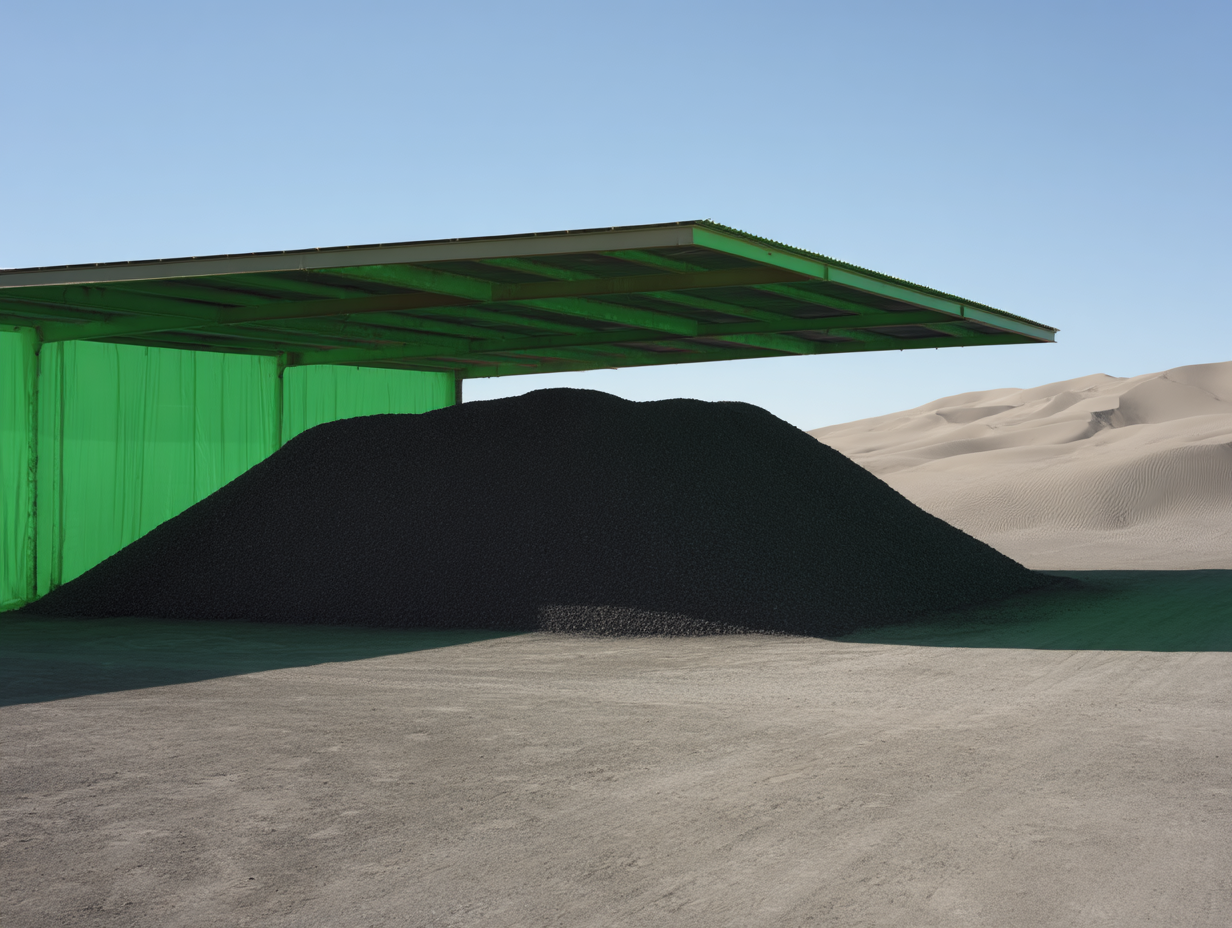
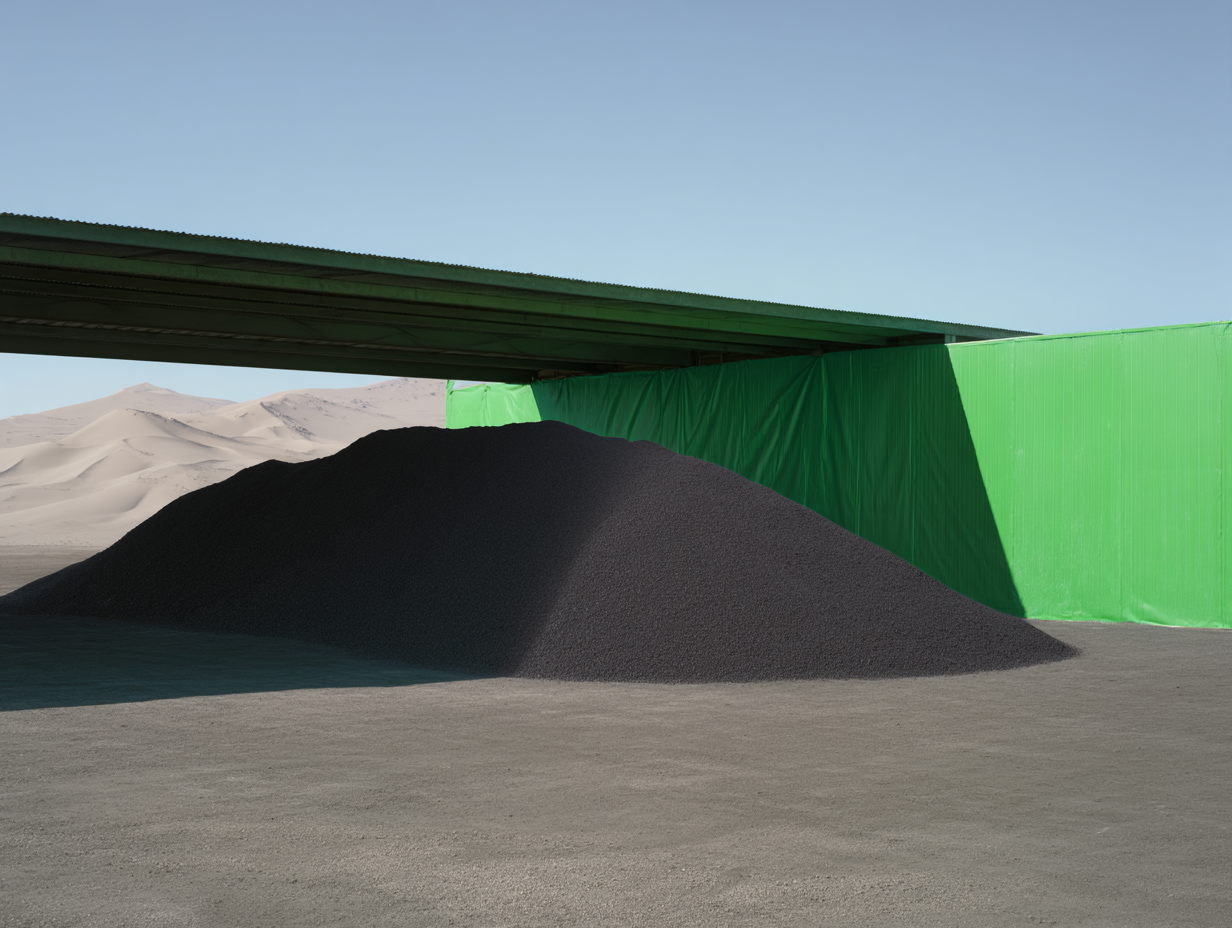
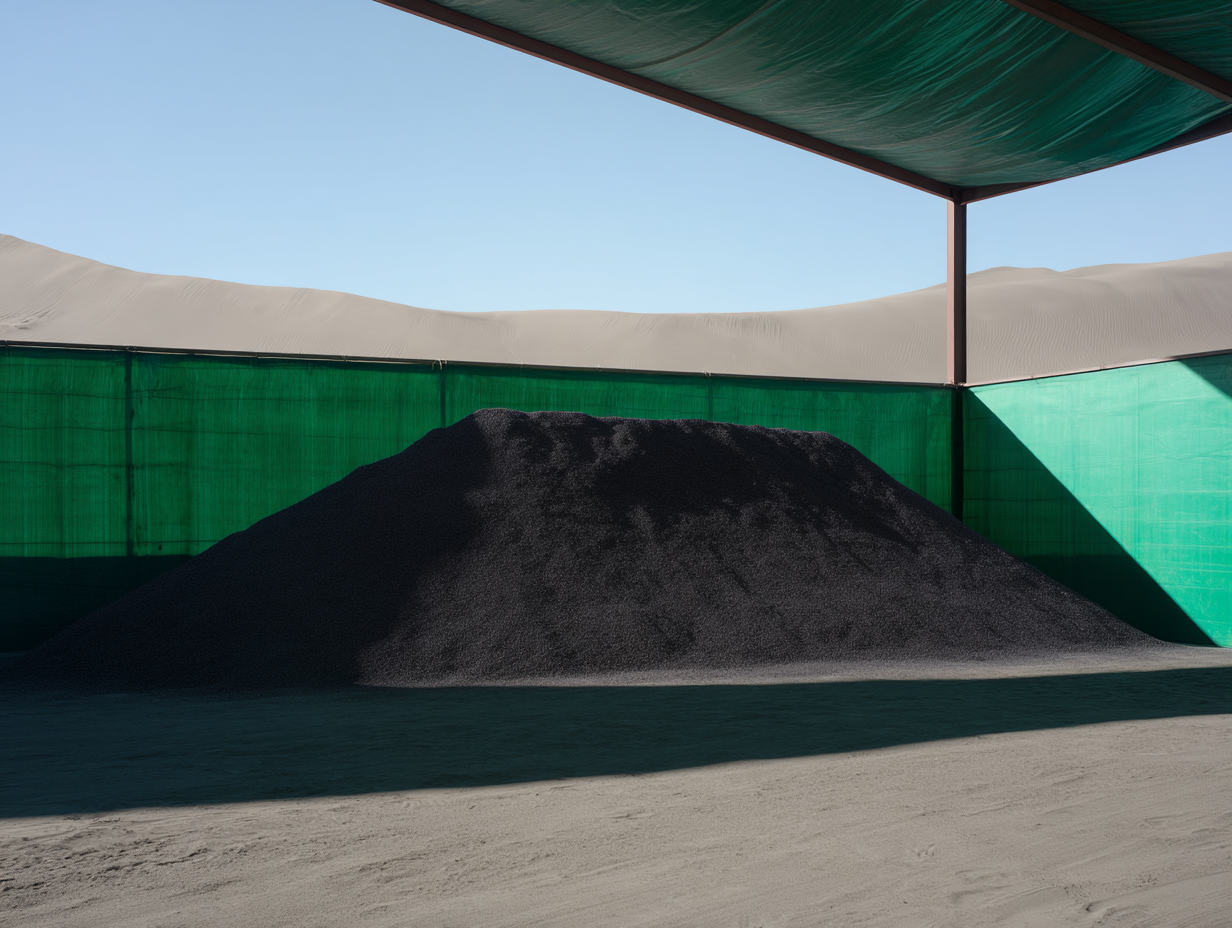
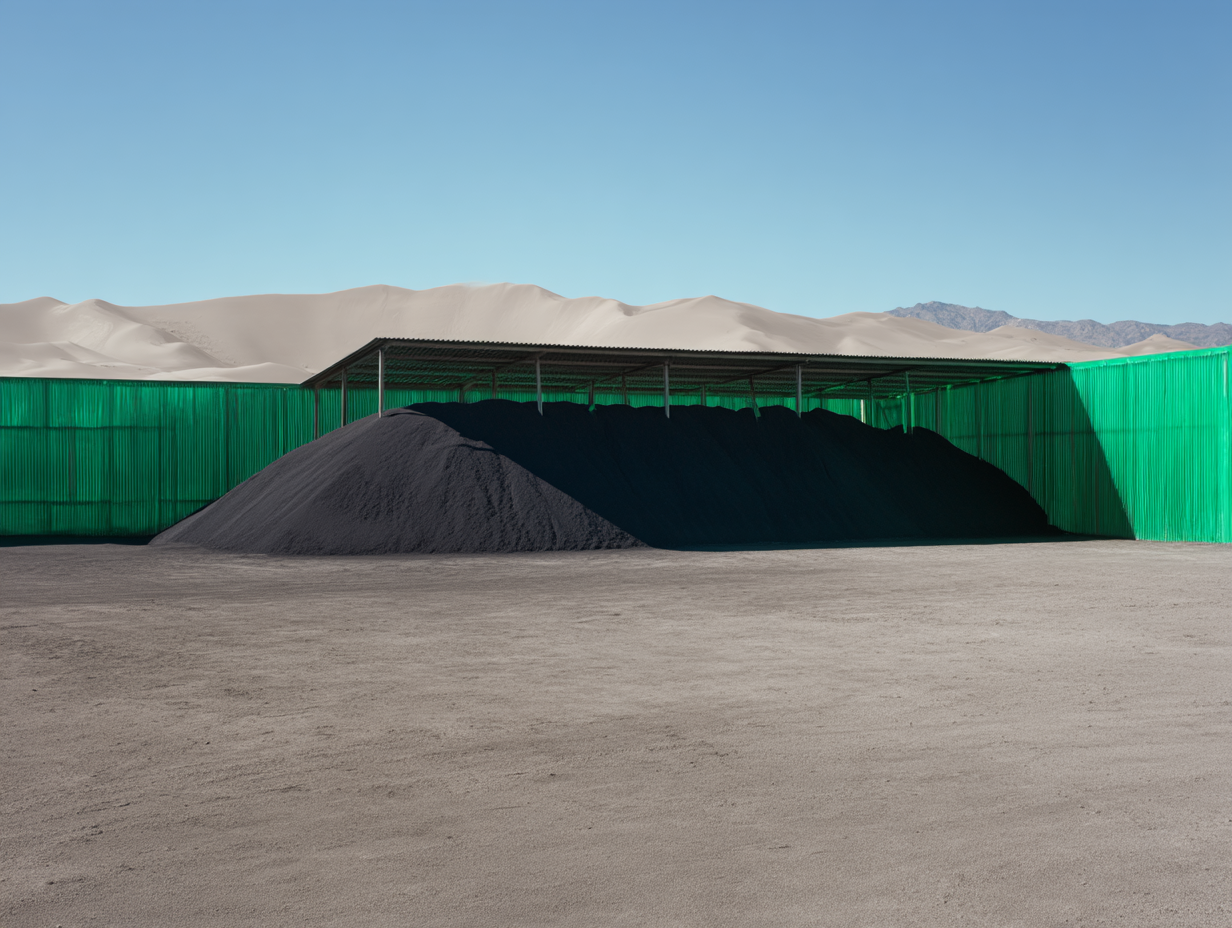
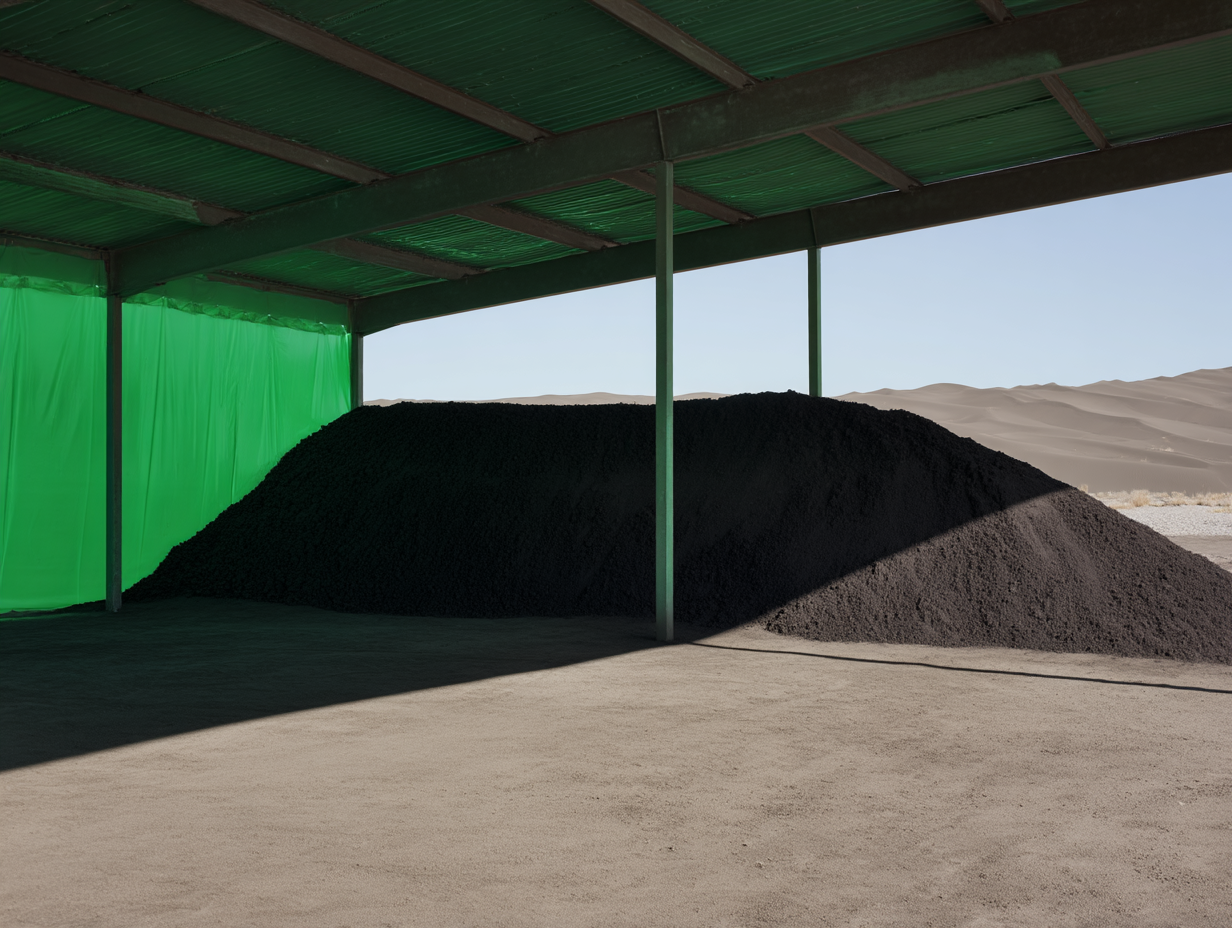
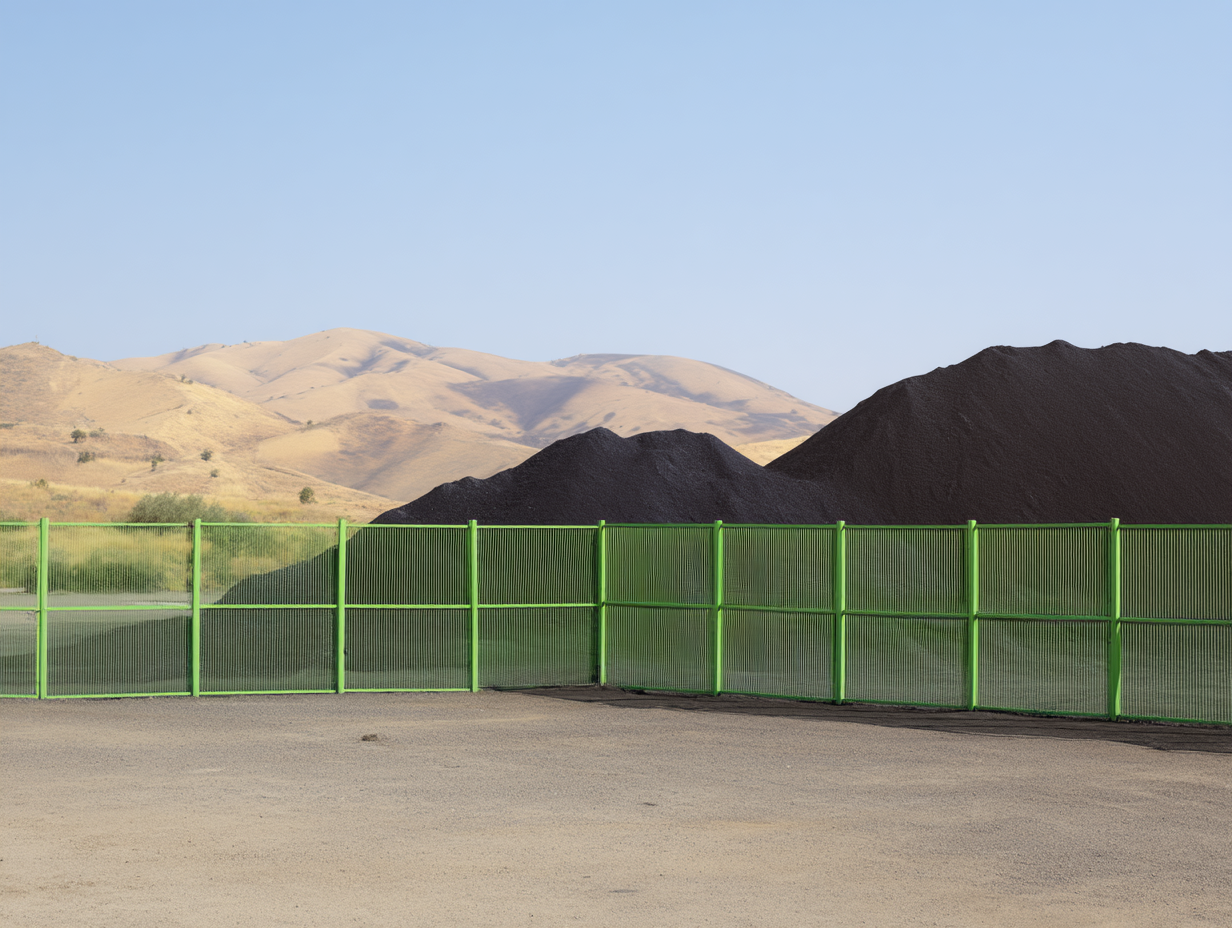
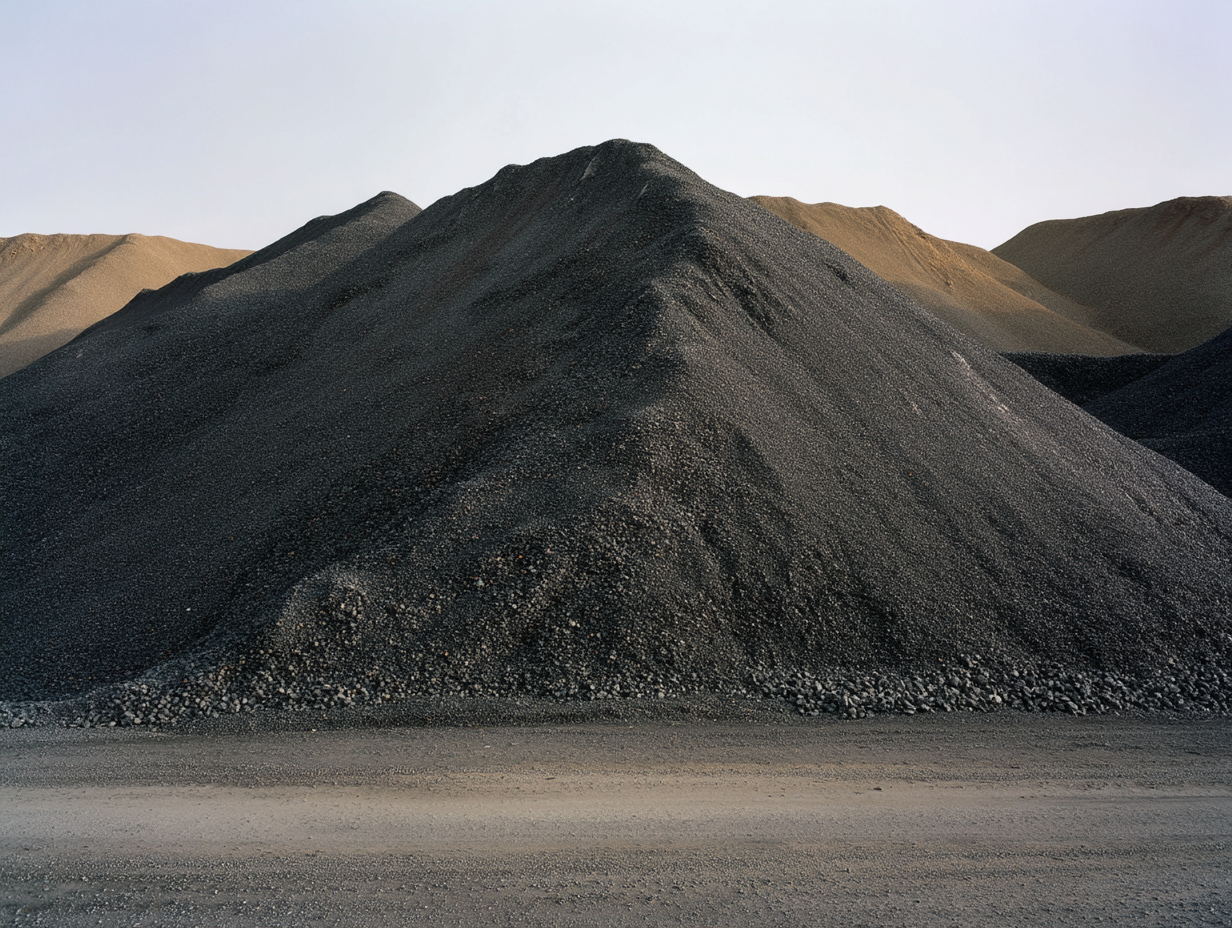
Coal travels along the Shuohuang Railway from remote open-pit mines in northwestern China to coal-fired power plants across the eastern urban regions, where it is transformed into the massive energy resource required by the age of artificial intelligence. Within this highly cost-sensitive industrial system, cheap tarpaulins, generic metal components, and standardized design manuals shape the spatial landscape of mining territories, while coal sheds become one of its most collective and ordinary architectural forms. “Computing Hut-Radical Normal” is an ongoing AI-assisted design practice. The project critically investigates the relationship between people, materials, and spatial production within contemporary economic and technological networks. Rather than revisiting the idealized “primitive hut” of architectural history, the project focuses on the low-cost, temporary, and pragmatic shed structures found at the margins of industrial production, treating them as spatial prototypes of the contemporary condition.
The study collects fragments that can be read at several scales: furniture, framework, pavilion, and architectural joint.